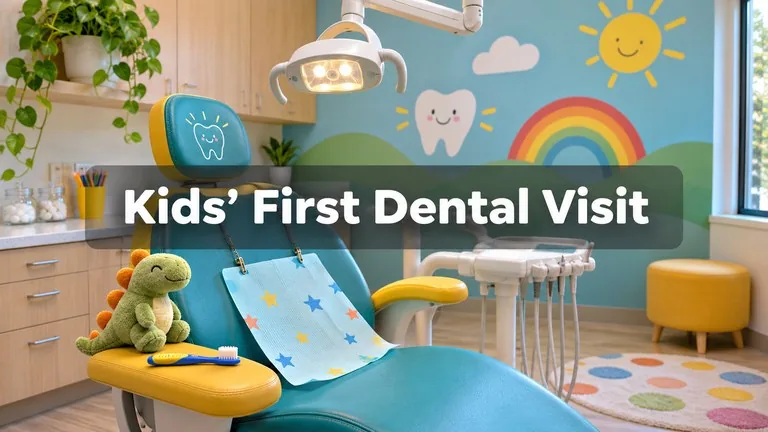
Children should see a dentist when their first tooth comes in, and no later than their first birthday, according to the American Academy of Pediatric Dentistry (AAPD). The first visit is short, usually a quick exam with the child on a parent’s lap, a cleaning if needed, fluoride varnish, and advice for parents. Later, around age 6 and again around 12, dental sealants on the back molars prevent most cavities on those chewing surfaces for several years, at roughly $40 to $80 per tooth.
Preventive care for kids is one of the few areas of dentistry where the costs are low and coverage is broad. Medicaid must cover dental care for enrolled children, CHIP includes dental benefits, and many private dental plans cover checkups, fluoride and sealants as preventive care with little or no cost sharing. Here is what each visit involves, what it costs, and how to get it covered.
When to schedule the first dental visit
The AAPD recommends establishing a “dental home,” an ongoing relationship with one dentist, by 12 months of age. The American Dental Association and the Academy of General Dentistry support the same age-1 timing. Many parents wait until age 3, but cavities can start as soon as teeth appear, and early visits are mostly about catching problems while they are small and coaching parents on brushing, bottles and snacks.
Either a pediatric dentist or a family dentist who sees young children can be your child’s dental home. Pediatric dentists complete extra training in treating infants, children and kids with special health care needs, and their offices are set up for small children. Family dentists can be more convenient if siblings and parents go to the same office.
What happens at a baby’s first dental visit
Expect 15 to 30 minutes in the chair. Many dentists use a “knee-to-knee” position: you sit facing the dentist, your child lies back with their head in the dentist’s lap, and you hold their hands. Crying is normal, and an open, crying mouth makes it easier to see the teeth.
- Health history: the dentist asks about feeding, bottles or sippy cups at night, pacifier or thumb habits, and any medications.
- Exam: the dentist counts the teeth, checks the gums, jaw and bite, and looks for early white spots (the first sign of decay).
- Cleaning: plaque is wiped or brushed off if needed. X-rays are usually not taken at this age unless there is a specific concern.
- Fluoride varnish: a thin, sticky coating is painted on the teeth. It sets in seconds and wears off over a few hours.
- Parent coaching: how to brush, how much toothpaste to use, how to limit sugary drinks, and what to do if a tooth is injured.
- Next appointment: most children return every six months, sooner if the dentist sees higher cavity risk.
The American Dental Association’s guidance on toothpaste is a smear about the size of a grain of rice for children under 3, and a pea-sized amount for ages 3 to 6. Brush twice a day, and help with brushing until your child can do it well, often around age 6 to 8.
Fluoride varnish: what it is and the 2025 supplement change
Fluoride varnish strengthens enamel and helps reverse very early decay. Dentists typically apply it two to four times a year for young children. Pediatricians and family doctors also apply it at well-child visits: the U.S. Preventive Services Task Force recommends that primary care clinicians apply fluoride varnish to all children from the time their first teeth come in through age 5.
In October 2025 the FDA announced it would restrict the sale of unapproved ingestible (swallowed) fluoride prescription products labeled for children under 3, and for older children at low or moderate risk of tooth decay. That action is about tablets and drops taken by mouth, not the varnish painted on teeth or fluoride toothpaste. The ADA said it continues to support appropriate fluoride use. If your child was prescribed fluoride drops or tablets, ask your pediatrician or dentist whether that plan has changed, particularly if your area’s water is not fluoridated.
Dental sealants: how they work and when to get them
Sealants are a thin plastic coating painted into the grooves of the back teeth, where food and bacteria collect and toothbrush bristles do not reach well. Placing them takes a few minutes per tooth with no numbing or drilling: the tooth is cleaned, dried, the sealant is brushed on, and a blue light hardens it.
The CDC reports that sealants prevent about 80% of cavities in the back teeth for two years and continue protecting against about 50% for up to four years. About 9 in 10 cavities in school-age children occur in those back teeth, and children without sealants have almost three times as many first-molar cavities as children with them.
Timing follows tooth eruption:
- First permanent molars: usually come in around age 6.
- Second permanent molars: usually come in around age 12.
- Premolars and baby molars: sealed in some children with deep grooves or higher cavity risk.
Sealants can chip or wear, so the dentist checks them at each visit and touches them up when needed. Many school-based sealant programs place them for free during the school day; ask your school nurse whether one operates in your district.
What kids’ preventive dental care costs
The figures below come from several national data sources, including CareCredit’s cost study, Pearl’s ADA fee survey based averages (May 2026), and insurer negotiated rates published through federal price transparency files (refreshed March 2026).
| Service | Typical cost without insurance | Commonly covered by | How often |
|---|---|---|---|
| Sealant, per tooth | $42 to $80 average (range about $55 to $140) | Most dental plans, Medicaid, CHIP | Once per molar, with touch-ups |
| Fluoride varnish | About $56 median negotiated rate | Dental plans, Medicaid, CHIP; medical plans when applied by a pediatrician | Two to four times a year |
| Routine exam, cleaning and X-rays (adult reference) | About $203 average, range $50 to $350 | Most dental plans, Medicaid, CHIP | Every six months |
| Toddler first visit (exam, cleaning, varnish) | Usually less than the full adult checkup since X-rays are rarely taken | Most dental plans, Medicaid, CHIP | By age 1 |
Example: Sofia’s son turns 6 and his four first molars come in. Without insurance, sealing all four at $42 to $80 each costs $168 to $320. A single molar filling later would often cost more than sealing all four, which is why many dental plans cover children’s sealants as preventive care, often at or near 100%, usually limited to permanent molars up to a set age written into the plan.
Example: Ben and Aisha pay cash for their 1-year-old daughter’s dental care. At the $56 median rate, two fluoride varnish applications come to about $112 a year, plus the exam fee at each visit. Meanwhile their pediatrician applies fluoride varnish at her well-child checkups at no extra charge under their health plan, so they ask the dentist and pediatrician to coordinate the schedule.
Getting coverage: Medicaid, CHIP and private plans
Medicaid covers dental care for every enrolled child through its Early and Periodic Screening, Diagnostic and Treatment (EPSDT) benefit. Federal rules require coverage for pain and infection relief, restoration of teeth and maintenance of dental health, and states must refer children to a dentist on a set schedule. Dental care for children in Medicaid cannot be limited to emergencies.
CHIP, the Children’s Health Insurance Program, covers children in families that earn too much for Medicaid but cannot easily afford private coverage. Every state’s CHIP includes dental benefits for prevention, restoration and emergencies. Income limits vary by state, and many families earning well above the poverty line qualify. You can check eligibility and find dentists who accept Medicaid or CHIP at InsureKidsNow.gov.
With private coverage, pediatric dental care is an essential health benefit under the Affordable Care Act, so marketplace plans must make it available, either built into the health plan or as a separate dental plan. Employer dental plans typically cover exams, cleanings, fluoride and sealants as preventive services with no deductible, subject to age and frequency limits written into the plan.
Everyday cavity prevention at home
- Do not put a baby to bed with a bottle of milk, formula or juice. Water only at night.
- Wipe a baby’s gums with a soft cloth after feedings, then start brushing as soon as the first tooth appears.
- Limit juice and sweet drinks, and serve them with meals rather than sipping all day.
- Start flossing once two teeth touch; a lot of decay in kids begins between teeth.
- Do not share spoons or clean a pacifier with your mouth, which can pass cavity-causing bacteria to the child.
- Check whether your tap water is fluoridated (your water utility’s annual report lists it) and tell your dentist.
Common questions
Is age 1 really too early for the dentist?
No. The AAPD, ADA and Academy of General Dentistry all recommend a visit by the first birthday. Early decay can start soon after teeth appear, and the visit is short and gentle, focused on an exam, fluoride and parent advice.
Are dental sealants safe?
Sealants have been used for decades, and dental organizations consider them safe. Some sealant materials contain trace amounts of BPA, but the exposure from a sealant is very small, far less than from everyday sources like food packaging.
Do baby teeth really need sealants or fillings if they fall out anyway?
Baby molars often stay until age 10 to 12, so decay in them can cause pain and infection for years. Dentists seal baby molars mainly in children with deep grooves or high cavity risk, and they treat cavities in baby teeth to prevent pain and protect the permanent teeth underneath.
How much do sealants cost without insurance?
National averages range from about $42 to $80 per tooth, with most fees between roughly $55 and $140. Sealing four first molars usually costs between about $170 and $320.
Does Medicaid cover sealants and fluoride for kids?
Yes. Medicaid’s EPSDT benefit covers preventive dental services for enrolled children, and states include sealants and fluoride in their children’s dental benefits. CHIP dental benefits also cover preventive care.
Before you book the first visit
- Schedule it once the first tooth appears, and no later than the first birthday.
- Ask whether the office sees babies and toddlers and accepts your insurance, Medicaid or CHIP.
- Bring a list of questions about feeding, pacifiers, toothpaste and water fluoride.
- Book a morning slot when your child is usually rested.
- Put sealant checks on your calendar for around ages 6 and 12.
Editorial note: This article is general information, not dental or medical advice. Recommendations and costs were checked as of November 2026; confirm care plans with your child’s dentist or pediatrician and coverage details with your plan, your state Medicaid or CHIP program, or InsureKidsNow.gov.