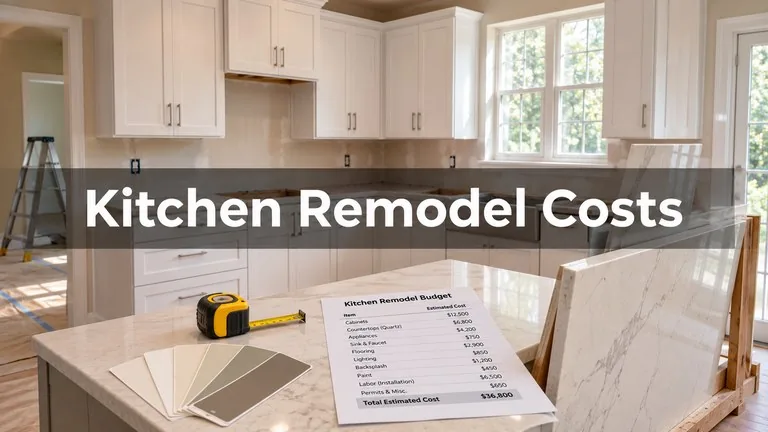
Most US kitchen remodels cost between about $15,000 and $42,000 in 2026, and the national average sits near $27,000. A minor refresh that keeps the layout can stay under $20,000. A full midrange remodel averages around $83,000 when priced by a contractor, and an upscale remodel with custom cabinets and pro-style appliances often runs past $160,000. Per square foot, budgets usually fall between $75 and $250.
Room size matters less than you might expect. The bigger swings come from three choices: whether you move plumbing, gas or walls, whether you replace or reface the cabinets, and what grade of appliances you buy. Below you’ll find costs by scope, a line-item breakdown, resale return figures from the latest national Cost vs. Value report, and the places where trimming the budget hurts the result least.
Kitchen remodel cost by scope
Contractors and cost surveys group kitchen projects into three rough tiers. The ranges below come from homeowner-reported costs (Angi and HomeAdvisor data) and from Zonda’s 2025 Cost vs. Value report, which prices a specific model project in a 200-square-foot kitchen using full contractor rates, including overhead and profit. That is why the report’s averages run higher than what many homeowners say they paid.
| Scope | Typical homeowner-reported cost | Cost vs. Value 2025 national average | Cost recouped at resale |
|---|---|---|---|
| Minor refresh (same layout, refaced cabinets, new counters, appliances, floor, paint) | $10,000 to $20,000 (small updates start near $3,500) | $28,458 | 112.9% |
| Major midrange (new semicustom cabinets, island, new appliances, lighting, flooring) | $20,000 to $65,000 | $82,793 | 50.9% |
| Major upscale (custom cabinets, stone counters, built-in and pro-style appliances, layout changes) | $65,000 to $130,000 and up | $164,104 | 35.7% |
A minor refresh keeps every pipe, drain and gas line where it is. Once you move the sink to an island, relocate the range, or take out a wall, you are in major-remodel territory even if the cabinets are modest, because you’ve added a plumber, an electrician, possibly an engineer, and more inspections.
Where the money goes, item by item
Cabinets are the largest single expense, at close to 30% of a typical budget. Labor is the next biggest share, around 25%. Here’s what the main line items cost in 2026 according to HomeAdvisor’s national data:
- Cabinets: stock cabinets run about $100 to $300 per linear foot, custom about $500 to $1,200 or more. Refacing existing boxes costs about $4,270 to $10,200, and refinishing (paint or stain only) about $1,900 to $4,500.
- Countertops: most installs land between $1,870 and $4,400. Quartz materials run roughly $15 to $70 per square foot and granite $10 to $140, so the slab you pick can double the line item.
- Appliances: the widest range in the whole project. A matching big-box set of refrigerator, range, dishwasher and microwave costs a few thousand dollars, while a single built-in refrigerator or pro-style range can cost that much by itself.
- Flooring: about $1,000 to $4,000 installed for a typical kitchen. Laminate runs $3 to $10 per square foot, wood $6 to $22 and ceramic tile $4 to $40.
- Backsplash: about $500 to $1,700 installed, or $15 to $40 per square foot.
- Plumbing: moving water lines and a drain averages around $1,250. A sink installed in the same spot is closer to $420.
- Electrical: about 5% of the budget. A panel upgrade, often needed when you add an induction range or more circuits, costs about $520 to $2,000. Recessed lights run $100 to $300 per fixture.
- Gas line: moving one costs about $375 to $750.
- Permits: about $460 to $2,770 depending on your city and the scope.
- Designer: $65 to $250 per hour, or about 3% of the project if you use one.
Add a contingency of 10% to 20% on top. Opening walls in older homes regularly turns up undersized wiring, galvanized pipe or subfloor damage, and those fixes are not optional once an inspector sees them.
Cost per square foot and why small kitchens cost more per foot
National figures put kitchen remodels at about $75 to $250 per square foot. That works out to roughly:
- 75 sq ft: $5,600 to $17,500
- 100 sq ft: $7,500 to $25,000
- 150 sq ft: $11,250 to $37,500
- 200 sq ft: $15,000 to $50,000
Use per-square-foot pricing only to sanity-check the quotes you get. A 70-square-foot galley still needs a full set of appliances, a sink, a faucet, a permit and an electrician visit, so small kitchens tend to sit at the high end of the per-foot range. A large kitchen with a lot of open floor and only a few extra feet of cabinets often comes in lower per foot.
Example: Maria has a 120-square-foot kitchen with solid but dated oak cabinets. She refaces them ($6,500), installs 40 square feet of quartz at about $60 per square foot installed ($2,400), buys a mid-grade four-piece appliance set ($4,000), adds a tile backsplash ($1,200), puts in luxury vinyl plank flooring ($840), a new sink and faucet ($700), under-cabinet lighting ($800) and paints ($600). That totals $17,040. With a 15% contingency she budgets about $19,600, or roughly $163 per square foot.
What a kitchen remodel returns when you sell
The 2025 Cost vs. Value report, published by Zonda with the Journal of Light Construction, is the most recent national edition of the survey. Its figures compare what a project costs with how much real estate professionals estimate it adds to resale value:
- Minor midrange kitchen remodel: $28,458 cost, $32,141 resale value, 112.9% recouped. It was the best-performing interior project in the report.
- Major midrange kitchen remodel: $82,793 cost, $42,130 resale value, 50.9% recouped.
- Major upscale kitchen remodel: $164,104 cost, $58,561 resale value, 35.7% recouped.
The pattern is consistent year to year. Buyers pay for a kitchen that looks clean and current. They pay much less for custom features they didn’t choose themselves. Return also varies a lot by region, so check your metro’s figures in the report if resale is the main reason you’re remodeling.
Example: Dev and Priya plan to sell in two years. A $28,000 refresh in line with the report’s minor-remodel scope would, on national averages, add a bit more than it costs. A $80,000 full remodel would add roughly $40,000 in value, so about half the spend is a cost of enjoying the kitchen for those two years. If they planned to stay ten years, that trade looks very different.
How the project unfolds, from budget to final inspection
Following this order keeps change orders and delays down. Change orders are where most budgets break.
- Set a total budget, then hold back 10% to 20% as contingency before you price anything else.
- Decide the layout first. Write down whether the sink, range, dishwasher and refrigerator stay put. This one decision sets your tier.
- Pick cabinets, counters and appliances before bidding, so every contractor prices the same scope. Get appliance specs (cutout sizes, electrical and gas needs) to the contractor early.
- Collect at least three written bids that list labor, materials, permits, disposal and a payment schedule tied to completed stages.
- Pull permits. Most cities require them for plumbing, electrical, gas and structural work.
- Order cabinets early. Semicustom and custom lines often take several weeks to arrive, and the job can’t move much until they do.
- Demolition, rough-in plumbing and electrical, then rough inspection before walls close.
- Drywall, flooring and cabinet install, then countertop templating. Stone fabrication usually takes one to two weeks after the template.
- Backsplash, fixtures, appliance hookup, final inspection and a written punch list.
Minor refreshes often take three to six weeks. Full remodels commonly run two to four months, longer if cabinets or permits are slow.
How to save without regretting it later
- Keep the footprint. Leaving plumbing and gas in place is the single biggest saving available.
- Reface or paint sturdy cabinets. If the boxes are plywood or solid and the layout works, refacing costs a fraction of new cabinets.
- Spend on what you touch daily. Put money into drawers, a good faucet and a durable counter. Save on decorative extras like glass-front uppers or a pot filler.
- Mix countertop materials. A stone island with laminate or butcher block on the perimeter cuts the slab bill.
- Buy appliances during major holiday sales, and confirm dimensions before cabinets are ordered.
- Do demolition, painting and cleanup yourself only if your contractor agrees in writing and the schedule allows it.
- Finalize every selection before work starts. Changes after demolition are billed at premium rates and add days.
Common questions
Is $30,000 enough for a kitchen remodel?
For a minor or moderate remodel that keeps the existing layout, $30,000 is usually enough in most US markets. It covers refaced or stock cabinets, mid-grade counters and appliances, flooring and lighting. It is usually not enough for new custom cabinets combined with moving plumbing or walls.
What is the most expensive part of a kitchen remodel?
Cabinets, at roughly 30% of the budget, followed by labor at about 25%. In upscale projects, built-in and pro-style appliances can rival the cabinet cost.
Do I need a permit to remodel my kitchen?
Cosmetic work like painting, refacing or swapping a countertop often doesn’t need one. Moving or adding plumbing, electrical circuits, gas lines or walls almost always does. Permits typically cost about $460 to $2,770, and unpermitted work can cause problems at resale.
How long does a kitchen remodel take?
A minor refresh often takes three to six weeks of active work. A full remodel commonly takes two to four months, with cabinet lead times and inspection scheduling causing most of the delays.
Does a kitchen remodel pay for itself?
Only a modest refresh tends to come close. The 2025 Cost vs. Value report shows a minor midrange remodel recouping 112.9% nationally, while major midrange and upscale remodels recouped 50.9% and 35.7%.
Before you sign a contract
- Write down your tier: same layout or moved utilities.
- Hold 10% to 20% of the budget as contingency.
- Get three bids for identical, written scopes, with permits and disposal included.
- Confirm the contractor’s license and insurance with your state or city.
- Tie payments to finished stages, not dates, and keep the final payment until the punch list is done.
- Order cabinets and appliances before demolition starts.
Editorial note: This article is general information. Cost and resale figures were checked as of November 2026 and vary by region and contractor, so confirm pricing with licensed local contractors and permit rules with your city or county building department.